Best Outdoor Survival Skills Book A Comprehensive Guide

Best Outdoor Survival Skills Book. The Ultimate Guide to Dave Canterbury’s Bushcraft 101 Review. Comprehensive Guide to Wilderness Survival Skills. Discover an in-depth review of The Bushcraft Boxed Set by Dave Canterbury. Learn what each book offers, key takeaways, strengths, weaknesses, and who will benefit most from this essential wilderness survival collection.
If you’re searching for the best outdoor survival skills book, look no further than The Urban Survival Series by David Holman. This essential series emphasizes the application of bushcraft and self-reliance skills in an urban setting. Designed for those who want to thrive in city environments, these guidebooks provide practical strategies for survival, resourcefulness, and adaptability.
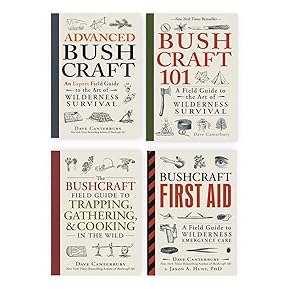
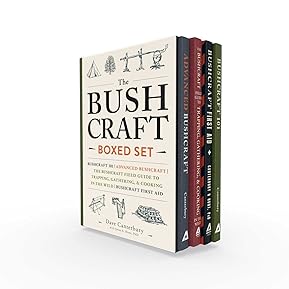
The Bushcraft Boxed Set by Dave Canterbury is a four-book survival guide collection designed for anyone interested in bushcraft, wilderness living, and self-reliance. The set includes Bushcraft 101, Advanced Bushcraft, The Bushcraft Field Guide to Trapping, Gathering & Cooking in the Wild, and Bushcraft First Aid. Blending practical instruction with real-world experience, the books cover everything from basic survival techniques to advanced fieldcraft and emergency medical skills.
I picked up this boxed set out of curiosity and admiration for Dave Canterbury’s straightforward teaching style. Having previously encountered Bushcraft 101, I wanted the full series to deepen my outdoor knowledge. Whether you are a camper, hiker, or aspiring survivalist, this collection promises both practical value and inspiration.
Contents
Summary
Because this is a non-fiction series, it focuses on practical survival skills rather than plotlines or character arcs.
- Bushcraft 101 introduces the core principles of bushcraft: fire-making, shelter building, knife skills, ropework, and essential tools.
- Advanced Bushcraft expands on long-term wilderness living, crafting tools from natural materials, and refining your survival mindset.
- The Bushcraft Field Guide to Trapping, Gathering & Cooking in the Wild highlights food procurement, from safe edible plants to effective trapping and outdoor cooking.
- Bushcraft First Aid provides realistic wilderness medical advice—how to assess injuries, treat wounds, manage emergencies, and improvise medical tools.
Rather than a story with characters and conflict, the “main conflict” revolves around humankind versus nature—how prepared you are to survive, adapt, and thrive in unpredictable environments.
Best Outdoor Survival Skills Book
Looking for the best outdoor survival skills book? The Bushcraft Survival Skills Series by Dave Canterbury is a must-have for anyone interested in wilderness survival and bushcraft expertise. This comprehensive series provides in-depth guidance on essential wilderness skills through the lens of the “5Cs of Survivability”: cutting tools, covering, combustion devices, containers, and cordage.
With titles that delve into various aspects of survival, this series is perfect for outdoor enthusiasts and those looking to enhance their survival skills in nature. Whether you’re a novice or an experienced adventurer, these guidebooks are invaluable resources for mastering the art of outdoor survival.The series includes titles such as:
- Bushcraft 101
- Advanced Bushcraft
- The Bushcraft Field Guide to Trapping, Gathering, and Cooking in the Wild
- Bushcraft First Aid
- Bushcraft Illustrated
- The Bushcraft Essentials Field Guide
Perfect for urban dwellers and outdoor enthusiasts alike, this series equips readers with the knowledge necessary to stay safe and self-sufficient, even in the midst of urban challenges. Discover how to navigate and excel in an urban landscape with confidence using these invaluable resources!
Analysis & Personal Thoughts
Highlights
Canterbury’s writing style is simple, direct, and practical, making complex survival knowledge easy to understand. Illustrations and step-by-step instructions enhance clarity and make the books accessible even to beginners.
The thematic focus across the set emphasizes self-reliance, resourcefulness, and respect for nature. These values are woven throughout his explanations of tools, plants, shelters, and survival strategies.
I particularly appreciated the sections on:
- Knife techniques and their real-world application
- Crafting long-term shelters and tools
- Food processing and field cooking methods
- Improvised first-aid solutions using natural or limited resources
Personal Perspective
Reading the boxed set gave me a deeper appreciation for preparedness and purposeful living. Even if you never face a survival situation, the mindset Canterbury promotes—calmness, observation, and adaptability—is universally valuable. It’s not only a guide to the wilderness but also a philosophy of resilience.
Objective Assessment
Strengths:
- Extremely comprehensive—covers survival from all angles
- Beginner-friendly while still offering advanced lessons
- Practical instructions backed by field experience
- Useful illustrations and checklists
- Valuable for both hobbyists and serious outdoorsmen
Weaknesses:
- Some sections repeat information across the series
- Medical recommendations in Bushcraft First Aid may feel basic for advanced readers
- Not all trapping or cooking techniques may apply globally due to regional regulations or wildlife differences
Despite these minor issues, the value of the Book set remains strong.
Overall, The Bushcraft Boxed Set is an impressive, knowledge-rich resource for anyone seeking practical wilderness survival skills. Each book contributes a crucial layer—from basic bushcraft foundations to advanced techniques and emergency medical guidance—making the box set an excellent long-term reference.
Recommendations
This series is ideal for:
- Campers, hikers, and backpackers
- Outdoor survival enthusiasts
- Homesteaders and preppers
- Scouts and outdoor educators
- Anyone wanting to build real-world self-reliance skills
Whether you’re preparing for adventure, emergency situations, or simply expanding your outdoor abilities, The Bushcraft Boxed Set is a valuable companion that will elevate your confidence and competence in the wild.
Comparison Table: The Bushcraft Boxed Set
| Book Title | Focus Area | Best For | Key Skills Taught | Difficulty Level | What Makes It Stand Out |
|---|---|---|---|---|---|
| Bushcraft 101 | Foundational bushcraft principles | Beginners to intermediate survivalists | Knife skills, fire-making, shelter building, ropework, choosing tools | ★★☆☆☆ (Beginner) | Clear, practical basics with step-by-step instructions |
| Advanced Bushcraft | Long-term wilderness living | Intermediate to advanced readers | Crafting tools, long-term shelters, natural resources, mindset training | ★★★★☆ (Advanced) | Deep focus on self-reliance & advanced fieldcraft |
| The Bushcraft Field Guide to Trapping, Gathering & Cooking in the Wild | Wild food sourcing & outdoor cooking | Campers, hunters, food-prep enthusiasts | Edible plants, trapping techniques, food preparation, cooking methods | ★★★☆☆ (Intermediate) | Detailed illustrations & practical wild cooking guidance |
| Bushcraft First Aid | Wilderness emergency care | All outdoor adventurers | Wound care, injury assessment, improvised first-aid tools, emergency response | ★★☆☆☆ (Beginner–Intermediate) | Realistic, field-ready medical guidance for remote areas |
1. A Comprehensive Review of Dave Canterbury’s Bushcraft 101.
Best Outdoor Survival Skills Book: A Review of Bushcraft 101 by Dave Canterbury. Are you seeking the ultimate field guide for wilderness survival? Look no further than Bushcraft 101 by Dave Canterbury. This essential bushcraft skills book offers invaluable insights and practical techniques for outdoor survival enthusiasts.
In this comprehensive review, we’ll explore why Bushcraft 101 is considered the best outdoor survival skills book available. Whether you’re a novice or an experienced adventurer, this wilderness survival guide is packed with must-have skills to help you thrive in nature. Don’t miss out on discovering the essential tips and knowledge presented in this standout book!

Introduction
The “best outdoor survival skills book” might be hard to find in a saturated market of wilderness guides and manuals. Top reviews highlight to a few main titles. For many contemporary survivalists, one book is essential: Bushcraft 101: Wilderness Survival Field Guide.
Dave Canterbury, Pathfinder School co-founder and survival expert, wrote this non-fiction handbook. In practical outdoor education, the setting is the outdoors, whether you’re preparing for a weekend trek in North America or a multi-day adventure throughout Europe.
After seeing Canterbury’s reputation as a trusted source on YouTube survival channels, I bought this book. I chose this book because I wanted to go beyond “day-hike prep” to true wilderness self-reliance. Simple goal: acquire real skills, not theory.
Summary
- Cutting Tools: Knives, saws, and axes.
- Cover: Shelter building and appropriate clothing systems.
- Combustion Devices: Fire making methods and maintenance.
- Containers: The critical need to safely boil water.
- Cordage: Ropes, lines, and binding materials for building and repairs.
Analysis and Personal Thoughts
Highlights and Writing Style
Personal Insight
Objective Review: Strengths and Weaknesses
- Structured Approach: The 5Cs framework is an incredibly effective mnemonic for ensuring total preparedness. It provides a reliable checklist for beginners.
- Practicality: The skills taught are realistic and field-tested, focusing on sustainable living rather than extreme emergency extraction scenarios.
- Accessibility: It serves as an excellent starting point for beginners, defining terms clearly and building skills sequentially.
- Depth of Information: While it is a great “101” guide, advanced practitioners might find some sections introductory. (This is intentionally addressed in his follow-up, Advanced Bushcraft).
- Focus on North American Biomes: Most examples skew toward temperate North American forests, which might require supplemental research for readers in drastically different climates (e.g., tropical or arctic environments).