
10 Best Compact Binoculars for Hiking

Best compact binoculars for hiking. Find out which binoculars are ideal for outdoor use. When going on a hike or other outdoor experience, binoculars are a must-have piece of gear. They serve several purposes and are quite adaptable.
Best Compact Binoculars for Hiking. When going on a hike or other outdoor experience, the best compact binoculars for hiking are a must-have piece of gear. They serve several purposes and are quite adaptable, making them ideal for outdoor use. Find out which binoculars are perfect for your adventures.
Whether you use them for casual bird watching or serious wilderness exploration, the best compact binoculars for hiking should be compact and rugged. Good binoculars, especially ones that are small and lightweight, are an investment well worth making.
There are many binoculars on the market, and many of them appear identical at first sight, making it difficult to choose the proper type. We’ve put together a selection of what we believe to be the best compact binoculars for hiking after extensive research and testing.
Learn how to choose the finest binoculars for hiking and get the most out of them on the path so you can see animals in ways you never have before. If you want to get the most out of your hiking excursion, these are the models you should look into. All of them are inexpensive despite being portable, sturdy, practical, and simple to use.
Contents
- 1 What to look for in hiking/compact binoculars
- 2 10 Best Compact Binoculars for Hiking
- 2.1 1. Bushnell Legend Ultra HD Roof Prism Binocular
- 2.2 2. Vortex Optics Diamondback HD Binoculars
- 2.3 3. Celestron, SkyMaster 25X100 Binocular
- 2.4 4. Celestron. Nature DX 8×42 Binoculars
- 2.5 5. Athlon Optics Midas Binoculars for Adults and Kids
- 2.6 6. Wingspan Optics FieldView 8X32 Compact Binoculars for Bird Watching
- 2.7 7. Celestron, Outland X 8×42 Binoculars
- 2.8 8. Nikon Trailblazer 8×25 ATB Waterproof Black Binoculars
- 2.9 9. Adasion 12×42 High Definition Binoculars for Adults
- 2.10 10. Gosky 10×42 Roof Prism Binoculars for Adults
- 3 BINOCULAR TYPES
- 4 How to best compact binoculars for hiking
- 5 How to Use Binoculars
- 6 FAQs:
- 7 Final Thoughts
What to look for in hiking/compact binoculars
Here are the key specs and features you should pay attention to.
1. Magnification & objective lens diameter
- A magnification of 8× is often the sweet spot for hiking: enough zoom to see detail, but still stable enough to hand-hold.
- Higher (10× or more) gives more detail, but you’ll more easily get shake / a narrower field of view.
- The objective lens (the front diameter) determines how much light it gathers. Big lenses = brighter image (especially in dawn/dusk), but heavier and bulkier.
- For true “compact” hiking use, an objective lens under ~30 mm is often preferred.
2. Weight, size & portability
- Because you’re hiking, every gram counts: look for lightweight models that fit easily in a day-pack or hang comfortably around your neck.
- Compact design (folding hinges, dual-hinge, small objective lens, roof prism design) helps.
3. Field of View (FOV) & ease of use
- A wider field of view (how wide you can see at a given distance) helps you scan landscapes or follow moving subjects (birds, animals).
- Good eye relief (the distance your eye can be from the eyepiece) is important if you wear glasses.
4. Durability / weather-proof / optics quality
- Look for features like waterproofing, fog proofing (nitrogen or argon purged), rubber armor body, and good lens coatings. These matter when you’re outdoors in changing conditions.
- Fully multi-coated optics and good prism type (roof prism, BAK-4 prisms) improve clarity, contrast, and brightness.
5. Fit to your hiking style
- Are you doing quick day hikes? Then ultra-light and compact might be best.
- Backpacking or early morning/low light? You might trade a little size/weight for better brightness (slightly larger objective lens).
- Think about how you’ll carry them (neck strap vs pack harness) and how often you’ll use them.
10 Best Compact Binoculars for Hiking
1. Bushnell Legend Ultra HD Roof Prism Binocular
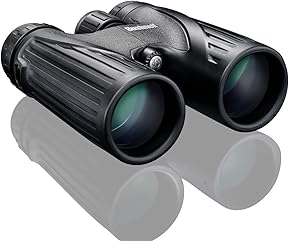
The Bushnell Legend Ultra HD delivers premium clarity with its ED Prime glass, making it a reliable choice for wildlife lovers and outdoor travelers. Colors appear vibrant and true-to-life, while the wide field of view helps track fast-moving subjects easily. Its lightweight, waterproof design adds durability without compromising comfort during long excursions. With ultra-sharp focus and impressive low-light performance, this model stands out in its class. Overall, it’s a strong investment for users seeking professional-level optics at a reasonable price.
Key Specs:
- ED Prime glass
- Ultra-wide field of view
- Waterproof and fog-resistant construction
- Lightweight magnesium housing
Pros:
- Excellent clarity with vivid color fidelity
- Durable and lightweight for long treks
- Performs well in low-light conditions
Cons:
-
Slightly higher price point
2. Vortex Optics Diamondback HD Binoculars

The Vortex Diamondback HD 8×28 is a compact powerhouse offering excellent image resolution through its enhanced HD optical system. Its rugged, shockproof construction and ergonomic non-slip grip make it ideal for tough outdoor environments. With waterproof and fogproof protection, these binoculars remain reliable in unpredictable weather. Despite the compact size, they deliver a bright, crisp view suitable for birdwatching, hiking, or general travel. The standout feature is Vortex’s legendary unlimited warranty, adding long-term peace of mind.
Key Specs:
- 8x magnification / 28mm objective
- HD optical system
- Waterproof, fogproof, shockproof
- Lightweight and travel-friendly
Pros:
- Sharp, bright visuals in a compact body
- Ultra-rugged design with great grip
- Exceptional warranty support
Cons:
-
A smaller objective means reduced low-light performance
3. Celestron, SkyMaster 25X100 Binocular

The Celestron SkyMaster 25×100 is built for astronomy enthusiasts and long-range observers who need extreme magnification and brightness. With massive 100mm objective lenses, it captures exceptional light, making stars, planets, and distant landscapes incredibly sharp. Its multi-coated optics boost contrast and reduce glare for clearer night-sky viewing. Because of its size and power, a tripod is essential—and conveniently included. This is an excellent choice for users seeking serious performance without the cost of a professional telescope.
Key Specs:
- 25x magnification / 100mm aperture
- Multi-coated optics
- Includes tripod adapter
- Heavy-duty design
Pros:
- Exceptional long-distance clarity
- Ideal for stargazing on hiking trips
- Excellent optical brightness
Cons:
-
Far too large for casual hikers
4. Celestron. Nature DX 8×42 Binoculars
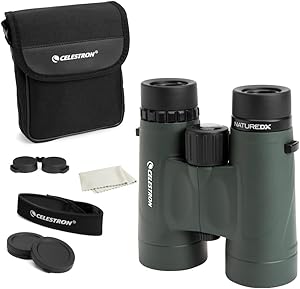
The Celestron Nature DX 8×42 offers an outstanding balance of clarity, brightness, and affordability, making it a go-to choice for birders and nature explorers. Its fully multi-coated lenses and BaK-4 prisms produce crisp, high-contrast images in various lighting conditions. The 7.4° wide field of view helps track birds in flight effortlessly. With a waterproof and fogproof build, it withstands rugged outdoor use year-round. Overall, it’s an excellent entry-to mid-level option delivering reliable performance for everyday outdoor adventures.
Key Specs:
- 8x magnification / 42mm objective
- BaK-4 prisms
- Fully multi-coated lenses
- 7.4° wide field of view
Pros:
- Clear, bright images for all outdoor use
- Comfortable and durable design
- Great value for the performance
Cons:
-
Larger than true compact models
5. Athlon Optics Midas Binoculars for Adults and Kids

The Athlon Midas UHD 8×42 stands out for its ED glass and UHD coating system, which dramatically enhances clarity and color accuracy. Whether used for hunting or birdwatching, the image quality is consistently sharp and bright. Its lightweight magnesium chassis adds strength while keeping the binoculars easy to handle for long sessions. The durable, weatherproof design ensures reliable performance in harsh environments. With premium features at a competitive price, the Midas UHD offers exceptional value for both beginners and advanced users.
Key Specs:
- 8x magnification / 42mm diameter
- UHD optics with ED glass
- Waterproof and fogproof
- Magnesium chassis
Pros:
- Excellent sharpness and color accuracy
- Strong, lightweight build
- Comfortable for extended use
Cons:
- Not pocket-sized
- Slightly pricier than mid-range competitors
6. Wingspan Optics FieldView 8X32 Compact Binoculars for Bird Watching

The Wingspan Optics FieldView 8×32 is a top pick for birdwatchers who value portability without compromising clarity. Its compact size and lightweight build make it easy to carry on long trails, while the 8x magnification delivers bright, stable views even for fast-moving species. The wide field of view enhances scanning and tracking, and the durable design performs well in outdoor conditions. Whether you’re birdwatching, attending concerts, or enjoying sports events, this model offers reliable performance. It’s one of the best budget-friendly choices for beginners and seasoned users alike.
Key Specs:
- 8x magnification, 32mm objective lens
- Wide field of view for fast subject tracking
- Lightweight, ergonomic, non-slip build
Pros:
- Extremely compact and easy to pack for hiking
- Sharp, bright images with good color accuracy
- Comfortable for long viewing sessions
Cons:
-
Not fully waterproof compared to higher-end options
7. Celestron, Outland X 8×42 Binoculars
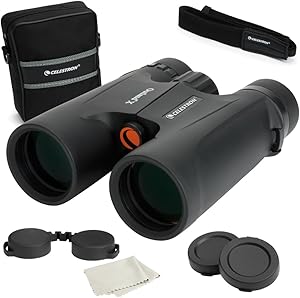
Celestron’s Outland X 8×42 stands out for its sharp image quality and rugged outdoor-ready design. The 42mm objective lenses gather excellent light, making it suitable for early morning or dusk birdwatching. With BaK-4 prisms and multi-coated optics, users enjoy high contrast, crisp images, and accurate color. It features a comfortable grip, waterproofing, and fogproof nitrogen purging for all-weather reliability. The wide 7° field of view allows effortless tracking of birds in flight. For hikers and birders wanting durability plus beautiful clarity, this binocular is a smart mid-range investment.
Key Specs:
- 8×42 configuration with BaK-4 prisms
- Fully multi-coated lenses
- Waterproof and fog-resistant housing
Pros:
- Excellent clarity and brightness for trail and wildlife use
- Comfortable grip and rugged build are ideal for long hikes
- A wide field of view makes locating subjects easier
Cons:
-
Slightly bulkier than ultra-compact binoculars
8. Nikon Trailblazer 8×25 ATB Waterproof Black Binoculars
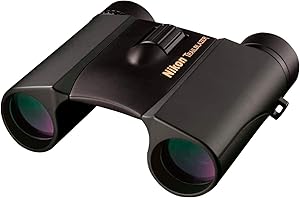
The Nikon Trailblazer 8x25mm ATB is ideal for users who want ultra-compact binoculars without sacrificing optical performance. Its multilayer-coated lenses produce bright, clear images, especially impressive for its size. The waterproof and fogproof housing ensures dependable use in unpredictable weather, making it great for hiking, wildlife viewing, and travel. Its lightweight frame fits easily in pockets or small bags, appealing to adventurers who prioritize convenience. Despite the small design, the Trailblazer offers excellent sharpness and wide viewing capability, making it a great everyday pair for outdoor enthusiasts.
Key Specs:
- 8×25 configuration with multilayer-coated optics
- Compact all-terrain design
- Waterproof and fogproof
Pros:
- One of the most lightweight and pocket-friendly options
- Surprisingly bright for its small lens size
- Durable enough for rugged, all-conditions hiking
Cons:
- Narrower field of view than 8×32 or 8×42 models
9. Adasion 12×42 High Definition Binoculars for Adults

These 12×42 HD binoculars are built for users who want high magnification and versatility. The powerful 12x zoom provides detailed long-distance viewing, ideal for birdwatching, hunting, and safaris. BaK-4 prisms deliver super bright, sharp visuals, while the waterproof construction ensures durability in rough environments. The included phone adapter and tripod expand usability, making it perfect for capturing steady photos and videos of wildlife. Despite the high power, the view remains relatively stable with proper support. It’s a great all-in-one choice for hobbyists who love both observing and documenting nature.
Key Specs:
- 12x high-powered magnification
- 42mm objective lenses with BAK4 prism
- Includes phone adapter and mini tripod
Pros:
- Excellent long-distance viewing from mountain overlooks
- Bright, crisp image quality at an affordable price
- Phone adapter adds value for photography
Cons:
-
Higher magnification requires a steadier hand
10. Gosky 10×42 Roof Prism Binoculars for Adults
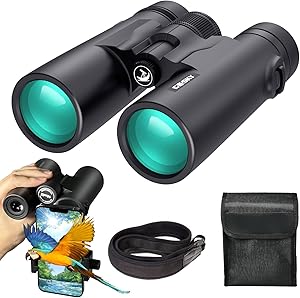
Gosky’s 10×42 binoculars offer impressive quality for the price, featuring BAK-4 prisms and fully multi-coated lenses for enhanced brightness and clarity. These binoculars perform well across activities, from birdwatching and stargazing to travel and sports. The 10x magnification provides a balanced field of view and detail, while the rugged exterior withstands heavy outdoor use. With the included phone mount, users can easily capture crisp images, making it ideal for content creators and hobbyists. The carrying bag and strap add convenience, making this a reliable, user-friendly choice for all-purpose viewing.
Key Specs:
- 10×42 configuration with BAK4 prism and FMC lenses
- Includes phone mount and carrying accessories
- Durable, rubber-armored body
Pros:
- Great balance of power and clarity for hiking and travel
- Strong low-light performance for dawn or dusk viewing
- Accessory bundle adds convenience and value
Cons:
-
Bulkier than true compact options
BINOCULAR TYPES
Binoculars come in a variety of shapes, sizes, functions, and pricing points. You should know what kind of binoculars you need and be familiar with their specifications before making a purchase. There are three primary components to a binocular’s optical system: the objective lenses (at the front), the eyepiece lenses (in the back), and the prisms. Prisms use complete internal reflection to transmit light and shift the image’s perspective.
There are two distinct varieties of binoculars, distinguished by the shape of their prisms:
- Porro prisms: The Porro prisms are arranged in a fashion that is not linear. Larger and heavier than roof prism binoculars, they are not ideal for carrying about for long periods of time.
- Roof prisms: Roof prisms are distinguished from other types of prisms by the symmetry of their objective lenses, rear lenses, and prisms. They are small and lightweight because of their intricate internal structure.
In this article, we will solely discuss roof-type binoculars since they are the most compact and lightweight option for usage in the great outdoors.
How to best compact binoculars for hiking
When selecting compact binoculars for hiking, consider the following factors:
1. Size and Weight
- Compact Design: Look for binoculars that are lightweight and small enough to fit in your backpack or pocket.
- Weight: Aim for models that weigh less than 1.5 lbs (700 grams) for easy portability.
2. Magnification and Objective Lens
- Magnification: A magnification of 8x to 10x is ideal for hiking, providing a good balance between detail and stability.
- Objective Lens Diameter: A diameter of 25mm to 32mm is usually sufficient for compact models, allowing for decent light gathering.
3. Field of View
- A wider field of view (measured in feet at 1000 yards) is preferable for tracking moving objects and scanning landscapes.
4. Durability and Weather Resistance
- Materials: Look for rubber-armored housing for shock resistance.
- Waterproof and Fog-proof: Binoculars with O-ring seals and nitrogen purging are ideal for various weather conditions.
5. Optical Quality
- Coatings: Fully multi-coated lenses improve light transmission and image quality.
- Prism Type: Roof prisms (like BaK-4) are commonly used in compact models and provide good image quality.
6. Comfort and Use
- Eye Relief: Ensure adequate eye relief (at least 15mm) if you wear glasses.
- Adjustability: Look for adjustable eyecups and a comfortable grip.
7. Budget
- Determine your price range, as quality can vary widely. Aim for reputable brands known for outdoor optics.
Recommendations:
- Popular Models: Some well-reviewed compact binoculars include the Nikon Trailblazer, Bushnell Legend, and Vortex Diamondback.
By taking these factors into account, you’ll find a pair of compact binoculars that enhance your hiking experience without adding unnecessary bulk.
How to Use Binoculars
Using binoculars effectively can enhance your viewing experience, whether you’re birdwatching, stargazing, or enjoying a sporting event. Here’s a simple guide on how to use binoculars:
1. Adjust the Interpupillary Distance
- Hold the binoculars and look through them.
- Adjust the distance between the two eyepieces until you see a single circular field of view.
2. Set the Diopter
- Close your right eye and use your left eye to focus on a distant object with the central focusing wheel.
- Then, switch to your right eye, keeping your left eye closed. Adjust the diopter until the object is in focus for your right eye.
3. Focus on Your Subject
- With both eyes open, use the central focusing wheel to bring your subject into sharp focus.
4. Hold the Binoculars Steady
- Use both hands to keep the binoculars steady. You can rest your elbows on a solid surface for added stability.
5. Adjust for Light Conditions
- In low light, you may need to increase the brightness of your view by using binoculars with larger objective lenses (e.g., 42mm instead of 32mm).
- If you’re viewing in bright conditions, consider using binoculars with an appropriate lens coating to reduce glare.
6. Practice Panning and Scanning
- Move your binoculars smoothly to scan the area. Avoid sudden movements to maintain focus on your subject.
7. Use a Strap for Comfort
- If you’re using binoculars for extended periods, use a neck strap to relieve hand strain.
8. Clean and Maintain Your Binoculars
- Keep the lenses clean using a soft lens cloth. Avoid touching the lenses with your fingers.
By following these steps, you’ll be able to use your binoculars effectively and enjoy a clearer, more detailed view of your surroundings!
FAQs:
Q. Are binoculars useful for hiking?
One of the reasons we hike is to view and enjoy nature. But since nobody wants to get too close to a mother bear and her cub or disturb wildlife in general, binoculars provide a great way of getting up close to nature while still keeping your distance.
Q. What are the best compact binoculars for birding?
Best Compact Binoculars for Birding: Top 7 Picks:
- Zeiss Terra ED 8×25.
- Swarovski CL Pocket 8×25.
- Swarovski Curio 7×21.
- Leica Ultravid BR 8×20.
- Nikon Aculon T02 8×21.
- Vortex Vanquish 8×26.
- Nikon ProStaff 8×25 ATB.
Q. What are small binoculars called?
Opera glasses, also known as theater binoculars or Galilean binoculars, are compact, low-power optical magnification devices, usually used at performance events, whose name is derived from the traditional use of binoculars at opera performances.
Q. What size are compact binoculars?
Compact Binoculars: Objective lens size is less than 30mm (8×25, 10×28, etc.) Midsize: Objective lens size is from 30mm to 40mm (10×30, 8×32, etc.) Full-size: Objective lens size is greater than 40mm (8×42, 10×50, etc.)
Q. What does 10×42 mean in binoculars?
10×42 means that the binoculars have 10x magnification (compared to the naked eye) and an objective diameter of 42mm. 10×42 is best for bird watching, hunting, concerts, sporting events, etc. They have higher magnification and good light quality, but are still easy to hold steady.
Final Thoughts
A set of hiking binoculars is an absolute must if you want to see more wildlife on your hikes, no matter how large or tiny. From enjoying a cup of coffee and a morning of birding in the tent to carefully approaching a herd of bison, this trip has it all! In this summary of the top binoculars for hiking, we cover the most important criteria to look for in a good set of optics and offer some of our personal favorites.
Having a pair of binoculars with you on your travels through the great outdoors will completely change the way you see the world. If you can put this knowledge to good use, then I’m happy for you. If you have any thoughts, questions, or comments, please leave them below, and we will try our best to respond and help you come to a well-informed decision.
Related:

