What Types of Survival Kits: Essential Guide to Preparedness

What Types of Survival Kits Do You Need? Complete Guide to Wilderness, Outdoor & Home Survival Kits. Discover the main types of survival kits—including wilderness, jungle, military, outdoor, camping, hiking, EDC, and home survival kits. Learn what each kit is for and how to choose the right one. SEO-optimized and beginner-friendly.
Whether you’re a camper, hiker, prepper, traveler, or simply a homeowner who wants to be prepared, knowing what types of survival kits exist can help you choose the right tools for any disaster or outdoor challenge. From rugged wilderness kits to compact EDC packs, each type serves a different purpose. This guide breaks down all major categories — wilderness, jungle, military, outdoor, camping, hiking, EDC, and home survival kits — so you can choose the perfect one based on your needs.
Contents
Overview: Purpose-Specific Survival Kits
Survival kits come in many forms, but they all share one goal: to keep you alive, safe, and functional during emergencies.
Different environments require different gear. For example:
- Wilderness areas demand fire-starting, shelter, and navigation tools.
- Jungle zones require humidity-proof gear and medical essentials.
- Urban or home situations prioritize first-aid, communication, and power backup.
Below are the most common purpose-specific survival kits, what they include, and who they are best suited for.
What Types of Survival Kits: Full Guide to Every Survival Scenario

Whether you’re an outdoor enthusiast, a frequent traveler, or simply preparing your home for emergencies, understanding what types of survival kits exist is essential. Each type of kit is designed with specific environments, dangers, and situations in mind. In this guide, we break down the most important survival kit categories—from wilderness and jungle kits to daily carry kits and home emergency kits—so you know exactly what you need and why.
Why Survival Kits Matter
Emergencies are unpredictable. Natural disasters, sudden weather changes, injuries, and getting lost outdoors can happen anytime. Your best defense is preparation. A reliable survival kit:
- Helps you stay warm, hydrated, and protected
- Provides tools for navigation, signaling, and fire-starting
- Keeps you alive until help arrives
- Reduces panic by giving you the essentials you need
Different environments demand different tools—so choosing the right kit is key.
Types of Survival Kits (Overview of All Categories)
Below is a quick overview of the main purpose-specific survival kits you’ll encounter:
- Wilderness survival kits – For remote forests, mountains & open terrain
- Jungle survival kits – For dense, humid, tropical environments
- Military survival kits – Rugged, tactical kits used by soldiers
- Outdoor Camping survival kits – General-purpose kits for outdoor recreation
- Camping survival kits – Essentials for safe camping trips
- Hiking survival kits – Lightweight kits designed for mobility
- EDC survival kits – Everyday carry kits for daily emergencies
- Home survival kits – Emergency supplies for natural disasters & power outages
Now let’s explore each type in detail.
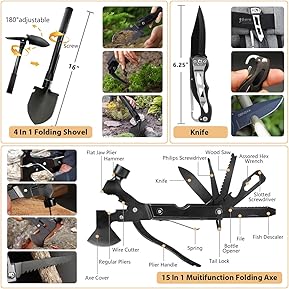
1. Wilderness Survival Kits
Wilderness survival kits are designed for outdoor adventurers who may find themselves in challenging scenarios. These kits typically include essential tools such as a fire starter, water purification tablets, a compass, and first-aid supplies. Ideal for camping and hiking trips, they help you stay safe and self-sufficient in nature.
Best for: Forests, mountains, deserts, remote terrain
A wilderness survival kit contains the essentials needed to survive away from civilization. These kits focus on fire-building, shelter creation, navigation, and water sourcing.
Common contents:
- Fire starters (ferro rod, waterproof matches)
- Emergency blanket or tarp
- Water purification tablets or filter
- Compass and map
- Multi-tool or knife
- Snare wire and fishing line
- High-energy rations
These kits prepare you for harsh conditions and provide the basics for long-term survival in the wild. See more full review
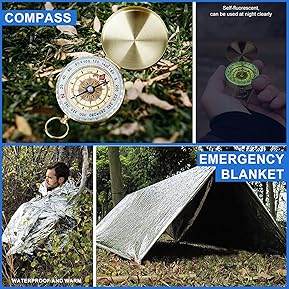
2. Jungle Survival Kits
Jungle survival kits cater specifically to those exploring dense, tropical environments. They often contain items such as mosquito repellent, machetes, and gear for shelter-building under humid conditions. These kits are perfect for expeditions in rainforests or jungle terrains, where typical survival needs can differ dramatically.
Best for: Tropical forests, humid environments, dense vegetation
A jungle survival kit accounts for heavy rainfall, extreme humidity, dangerous wildlife, and thick terrain.
Typical gear includes:
- Machete for cutting vegetation
- Mosquito net and insect repellent
- Water purification tools (high priority)
- Quick-dry clothing and waterproof bags
- Antifungal first-aid items
- High-visibility markers
Hydration and protection from insects are the biggest challenges in jungle conditions. See more full review
3. Military Survival Kits
Built for extreme conditions, military survival kits are designed for tactical situations. These kits come with high-quality, durable gear, including multi-tools, tactical flashlights, and advanced first-aid supplies. Often used by special forces, these kits can serve civilians embarking on risky endeavors or those who want a reliable kit for emergencies.

Best for: Tactical operations, extreme environments, combat zones
Military survival kits are rugged, compact, and multifunctional, designed to help soldiers survive escape-and-evasion situations.
Often included:
- Tactical knife and multi-tool
- Mini fire-starting tools
- Signal mirror and whistle
- Water purification tablets
- Navigation tools
- First-aid tools for trauma
- Paracord and wire saw
These kits prioritize durability and stealth. See more full review
4. Outdoor Camping survival kits
Outdoor survival kits are versatile and can be used in various scenarios, including camping, hiking, and even for getting lost in the woods. These kits typically combine elements from wilderness and military survival kits, featuring flashlights, food rations, water filtration systems, and navigational tools.

Best for: General outdoor use—fishing, exploring, off-roading, recreation
An outdoor survival kit is a well-rounded kit for everyday outdoor activities. It’s less specialized but covers the most common emergency needs.
You’ll usually find:
- Flashlight and batteries
- Basic first-aid supplies
- Fire-starting tools
- Lightweight emergency shelter
- Paracord
- Small knife or multitool
- Water purification tools
Perfect for beginner preparedness. See more full review
5. Camping Survival Kits
Camping survival kits are specifically tailored for campers and usually include extra supplies like cooking equipment, fishing gear, and warmth essentials. Whether you’re setting up camp for the weekend or going for an extended stay, these kits ensure you have everything you need for a fun and safe experience.

Best for: Overnight or multi-day camping trips
Camping survival kits focus on comfort, injury prevention, and emergency backup tools.
What’s typically included:
- Campfire starters
- First-aid essentials
- Compact cooking gear
- Emergency tent or tarp
- Rope and stakes
- Headlamp
- Repair tape (for tents, gear, sleeping pads)
These kits are designed to supplement your camping setup and fill gaps in safety. See more full review
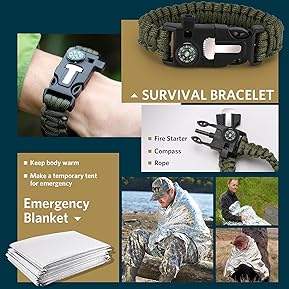
6. Hiking Survival Kits
Similar to outdoor survival kits, hiking survival kits are lightweight and easy to carry. They often include essential items like a whistle, energy bars, a first-aid kit, and a map. These kits are designed for day hikes where quick access to survival essentials can make a significant difference.
Best for: Day hikes, long-distance treks, backpacking
A hiking survival kit must be lightweight and compact—because every ounce counts.
Common components:
- Energy bars
- Small first-aid pack
- Compact flashlight
- Mini water filter (like Sawyer Mini)
- Whistle
- Emergency blanket
- Pocket knife
These are designed for sudden weather changes, injuries, or getting lost on trails. See more full review
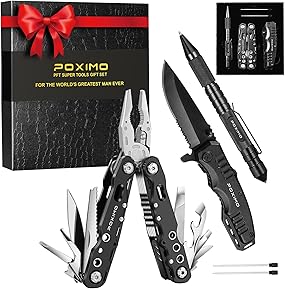
7. EDC (Everyday Carry) Survival Kits
Everyday Carry (EDC) survival kits are compact kits designed to be carried daily. Ideal for urban environments, they typically include basic survival tools, multitools, and small first-aid supplies. EDC kits are perfect for those who want to be prepared for minor emergencies or everyday challenges.
Best for: Daily use—urban emergencies, travel, minor accidents
An EDC survival kit prepares you for unexpected situations without bulk.
Typical items:
- Small multi-tool
- Penlight
- Paracord bracelet
- Lighter
- Portable charger
- Mini first-aid items
- Pocket knife (where legal)
These kits are practical and easy to carry every day. See more full review
8. Home Survival Kits
Home survival kits are crucial for ensuring your safety during emergencies such as natural disasters, power outages, or other crises. These kits usually contain food and water rations, a first-aid kit, flashlights, and tools for basic home repairs. Having a well-stocked home survival kit gives you peace of mind during uncertain times.
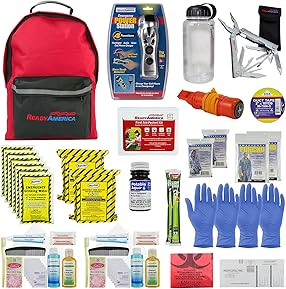
Best for: Storms, earthquakes, blackouts, natural disasters
A home survival kit supports your family for 72 hours or more during emergency situations.
Usually includes:
- Food and water reserves
- Flashlights and batteries
- Portable power banks
- First-aid kit
- Emergency radio
- Fire extinguisher
- Toolset
- Important document pouch
Every household should have one. See more full review
How to Choose the Right Survival Kit
Choosing the right survival kit depends on your environment and lifestyle. Ask yourself:
- Where will I use it? (home, forest, city, mountains?)
- How long might I have to rely on it?
- Am I traveling alone or with others?
- Do I need a lightweight kit or a fully equipped one?
- Do I expect harsh weather or unpredictable terrain?
A good rule of thumb:
- If you go outdoors, choose wilderness/outdoor/hiking kits.
- If you stay home, choose a home emergency kit.
- If you want daily protection, choose an EDC kit.
When deciding what type of survival kit you need, consider:
✔ Environment: Are you dealing with forests, jungles, cold weather, or urban disaster?
✔ Duration: Few hours? Overnight? Multi-day?
✔ Level of experience: Beginners need more guided tools; experts can carry minimal gear.
✔ Weight: Hikers and backpackers need ultra-light kits.
✔ Purpose: Recreation vs. emergency vs. tactical use.
Final Tips for Choosing a Survival Kit
- Assess Your Environment: Consider where you live and the types of emergencies you might face.
- Evaluate Your Activities: Choose a kit that aligns with your hobbies and lifestyle.
- Quality Over Quantity: Invest in a kit that includes high-quality gear rather than just a large number of items.
- Regular Maintenance: Review and update your kit periodically to ensure all items are in good condition and not expired.
Final Thoughts
Survival kits serve as a vital resource in a variety of situations, from outdoor adventures to urban emergencies. Understanding the nuances of each type ensures that you choose the right kit for your specific needs. Whether you find solace in the great outdoors or want to be prepared for unexpected challenges at home, there’s a survival kit suited to your requirements. Equip yourself wisely, and you’ll be ready for whatever comes your way.
Understanding what types of survival kits exist helps you prepare smarter for emergencies. From wilderness and jungle survival kits to EDC and home emergency kits, each type serves a different purpose—and having the right one can save your life. Whether you’re an adventurer, camper, hiker, or simply a person who values safety, there’s a survival kit designed for your needs. Equip yourself now so you’re always ready for the unexpected.

