FAQ Emergency Food Kit Best Answers-Expert Advice

FAQ Emergency Food Kit: Best Answers, Expert Tips & Top Kit Recommendations. Looking for the best emergency food kit? This FAQ guide answers the most common questions, explains what to look for, and recommends top emergency food kits for survival, disasters, and long-term storage.
Emergency food kits are no longer just for hardcore preppers—they’re essential for families, campers, travelers, and anyone preparing for natural disasters, power outages, or unexpected emergencies. Frequently Asked Questions about Emergency Food Kits, Best Emergency Food Kits, Emergency Food Supplies, Survival Food Kits, Long-Term Food Preservation, Freeze-Dried Emergency Food, Disaster Preparedness Food. With so many options available, it’s normal to have questions about shelf life, nutrition, cost, and reliability.

This FAQ Emergency Food Kit guide provides clear, expert-backed answers, plus top emergency food kit recommendations to help you choose the best option for your needs. Whether you’re preparing for earthquakes, hurricanes, blackouts, or long-term food security, this guide has you covered.
Contents
FAQ Emergency Food Kit – Best Answers
What Is an Emergency Food Kit?
An emergency food kit is a collection of shelf-stable meals designed to provide essential calories and nutrition during emergencies. These kits typically contain freeze-dried or dehydrated foods that only require water to prepare and can last anywhere from 5 to 25 years.
What Is in an Emergency Food Kit? — Best Answer
An emergency food kit contains shelf-stable foods and nutrition essentials designed to sustain you and your family during a crisis—such as a natural disaster, power outage, evacuation, or survival situation—when regular access to fresh food and cooking may be limited.
Here’s what you’ll typically find in a high-quality emergency food kit:
🥘 1. Freeze-Dried or Dehydrated Meals
- Main entrees like pasta, rice dishes, stews, and soups
- Just-add-water meals that require minimal prep
- Long shelf life (often 10–25 years)
🍲 2. Ready-to-Eat Meals (MRE-Style)
- Fully prepared meals that don’t require water or cooking
- Ideal for short-term emergencies or when water is scarce
🍎 3. Fruits, Vegetables & Snacks
- Freeze-dried fruits and veggies
- Granola bars, crackers, and other snacks
- Provides variety and essential micronutrients
💪 4. Protein Sources
- Freeze-dried meats (chicken, beef, etc.)
- Beans, peas, or textured vegetable protein (TVP)
- Helps maintain muscle and energy
🥤 5. Essential Beverages
- Powdered drink mixes (electrolytes, milk substitutes)
- High-calorie drink powders for energy
🍫 6. Calorie Boosters
- Energy bars, nut butters, trail mix
- Quick fuel during high-stress or physically demanding situations
🧂 7. Add-Ins & Flavor Enhancers
- Salt, seasonings, bouillon packets
- Makes simple meals more palatable
⏲️ 8. Water (in some kits)
- Some kits include emergency water pouches
- Usually, you’ll need your own water supply for rehydrating meals
See more: how to choose the best emergency food kits
How Long Do Emergency Food Kits Last?
Shelf life depends on the type of food and storage conditions:
- Freeze-dried food kits: Up to 25 years
- Dehydrated food kits: 10–20 years
- Ready-to-eat (MRE-style) kits: 3–7 years
For long-term emergency preparedness, freeze-dried kits with oxygen absorbers and sealed containers are the best choice.
How Much Emergency Food Should I Store?
A common guideline is:
- 2,000–2,500 calories per person per day
- Minimum 72 hours for short-term emergencies
- 7–30 days for disaster preparedness
- 3–12 months for long-term survival planning
Always account for children, pets, and dietary needs.
Are Emergency Food Kits Healthy?
High-quality emergency food kits are designed to balance calories, protein, carbs, and fats. The best kits include:
- Real vegetables, grains, and proteins
- No artificial preservatives
- Low sodium options
- Non-GMO or organic ingredients (optional)
Check nutrition labels carefully—some cheaper kits focus on calories over nutrition.
Do Emergency Food Kits Require Cooking?
Most kits are just-add-water, but preparation varies:
- Hot water improves taste and texture
- Some meals can be eaten cold if necessary
- Minimal cooking equipment is recommended
For power outages, pair your kit with a portable stove or fuel source.
Best Emergency Food Kit Suggestions
Best Overall Emergency Food Kit
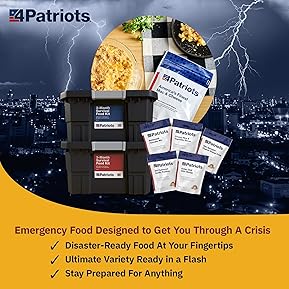
Augason Farms 30-Day Emergency Food Supply
- 200+ servings
- 25-year shelf life
- Great balance of taste, calories, and value
Best Budget Emergency Food Kit
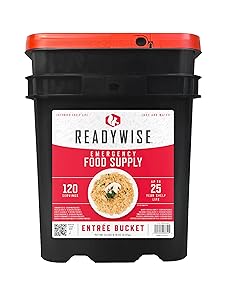
Ready Hour Emergency Meal Entrées
- Affordable starter option
- Simple meals, easy prep
- Ideal for beginners
Best Family Emergency Food Kit

Mountain House 3-Day or 7-Day Kits
- Excellent flavor and quality
- Lightweight and portable
- Trusted by campers and survivalists
Best Long-Term Survival Food Kit

Nutrient Survival or Heaven’s Harvest Kits
-
High protein and vitamins
-
Designed for extreme conditions
-
Premium-quality ingredients
Are Emergency Food Kits Worth the Money?
Yes—especially when compared to grocery shortages, inflation, or disaster relief delays. Emergency food kits offer:
- Long shelf life
- Cost savings when bought in bulk
- Peace of mind during emergencies
They are a smart investment for both short-term crises and long-term food security.
How to Store Emergency Food Kits Properly
To maximize shelf life:
- Store in a cool, dry place
- Avoid sunlight and humidity
- Keep containers sealed
- Rotate kits if used for everyday meals
Proper storage ensures food remains safe and nutritious for years.
Conclusion
Choosing the right emergency food kit doesn’t have to be confusing. By understanding shelf life, nutrition, serving sizes, and preparation needs, you can confidently select a kit that protects you and your family when it matters most.
This FAQ Emergency Food Kit – Best Answers guide is designed to help you prepare smarter, avoid common mistakes, and invest in reliable emergency food solutions. Preparation today means peace of mind tomorrow.