
Best Military Survival Kits — Ultimate Guide

Best Military Survival Kits 2026 — Ultimate Guide to Choosing the Right Tactical Emergency Kit. Looking for the best military survival kits? This comprehensive, publish-ready guide explains why military-grade kits matter, compares top kits, lists must-have contents, and helps you choose the right tactical emergency kit for camping, SHTF, or field ops.
When disaster strikes — from backcountry emergencies to grid-down scenarios — a well-stocked military survival kit can mean the difference between a minor inconvenience and a life-threatening situation. Military survival kits are designed for durability, compactness, and maximum utility. This guide walks you through why a military-grade kit is worth the investment, breaks down the best military survival kits by use-case, gives a clear comparison table, and answers frequently asked questions so you can buy or build the perfect kit with confidence.
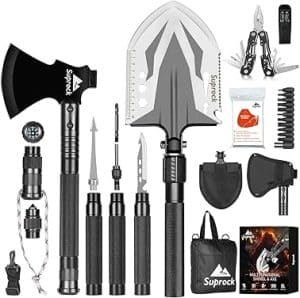
Contents
- 1 Why You Need the Best Military Survival Kit
- 2 How we categorize “best” military survival kits
- 3 Detailed list of the best military survival kits (by use-case)
- 3.1 1) Combat-Ready Trauma Kit — For immediate life-saving care
- 3.2 2) Classic Military Survival Kit — Balanced all-rounder
- 3.3 3) EDC / MOLLE Medical Pouch — Everyday carry on vest or pack
- 3.4 4) 72-Hour Tactical Bug-Out Kit — Short-term self-sufficiency
- 3.5 5) Marine / Sea Survival Kit — For boaters and coastal ops
- 3.6 6) Cold-Weather / Alpine Survival Kit — Built for low temperatures
- 3.7 7) Military Surplus IFAK (Individual First Aid Kit) — Budget, field-tested
- 3.8 8) Premium Pro-Grade Field Kit — For long operations & professionals
- 4 Product Comparison Table
- 5 What to look for when buying a military survival kit
- 6 FAQ: Best Military survival kits
- 7 Final thoughts
Why You Need the Best Military Survival Kit
Military survival kits are optimized for reliability and multi-functionality. Compared with basic first-aid or civilian “bug-out” kits, military-style kits generally offer:
- Versatility: Military survival kits are designed to cover a range of scenarios, from natural disasters to survival situations in the wilderness. This adaptability makes them invaluable for anyone, whether you’re an outdoor enthusiast or simply want to stay prepared at home.
- Quality and Durability: stronger materials and weatherproofing for harsh environments. Military-grade equipment is built to withstand harsh conditions. The components of these kits are often chosen for their resilience, ensuring that they function effectively when you need them most.
- Comprehensive Supplies: The best military survival kits include everything from fire-starting tools to first aid supplies. This comprehensive range ensures that you are prepared for various emergencies, increasing your chances of survival.
- Peace of Mind: Knowing that you have a reliable survival kit can alleviate anxiety about emergencies. It allows you to focus on planning rather than worrying about what you’ll do in a crisis.
- Cost-Effective: Investing in a quality military survival kit can be more economical than purchasing individual items over time. A single purchase can provide you with a full spectrum of essential gear.
- Ruggedness: stronger materials and weatherproofing for harsh environments.
If you hike remote trails, work in high-risk professions, live in disaster-prone areas, or prioritize preparedness, a top-tier military survival kit gives you a reliable, mission-focused set of tools when seconds count.
How we categorize “best” military survival kits
To help you choose quickly, kits below are grouped by primary use case rather than a single “best” label:
- Tactical / Combat-Ready Kits — focus on trauma care and immediate life-saving tools.
- General-Purpose Military-Style Kits — balanced contents for survival + first aid.
- Lightweight EDC / MOLLE-Compatible Kits — compact, fits on belts/vests.
- 72-Hour / Bug-Out Kits — extended supplies for multiple days.
- Specialty Kits — marine, desert, cold-weather, or vehicle-specific kits.
Detailed list of the best military survival kits (by use-case)
1) Combat-Ready Trauma Kit — For immediate life-saving care

Best for: first responders, military personnel, hunters.
Why choose it: Prioritizes hemorrhage control (tourniquet, clotting gauze), airway tools, chest seals, and trauma dressings. Packs are organized for one-handed access and rapid application.
Typical contents: CAT tourniquet, hemostatic gauze, emergency trauma dressing, chest seal, emergency blanket, nitrile gloves, shears.
Tip: Look for kits with clear labeling and color-coded compartments for speed under stress.
2) Classic Military Survival Kit — Balanced all-rounder

Best for: general preparedness, campers, overlanders.
Why choose it: Mixes survival tools (knife, fire starter), navigation (compass), shelter (poncho), and med supplies into a durable MOLLE pouch.
Typical contents: Fixed blade or folding knife, ferro rod, water purification tablets or filter straw, paracord, compact tarp/poncho, basic first-aid items, signaling mirror, whistle.
Tip: Choose kits with modular compartments so you can customize or add items.
3) EDC / MOLLE Medical Pouch — Everyday carry on vest or pack

Best for: hikers, urban commuters who want quick-access trauma care.
Why choose it: Extremely compact and designed to attach to tactical gear; carries essentials like a mini tourniquet, compressed bandage, and gloves.
Typical contents: Mini tourniquet, compressed gauze, small bandages, trauma shears, adhesive tape, antiseptic wipes.
Tip: Keep the pouch on your person or in a vehicle glovebox for instant access.
4) 72-Hour Tactical Bug-Out Kit — Short-term self-sufficiency

Best for: families or solo preppers planning to sustain for 72 hours.
Why choose it: Includes food, water treatment, shelter, and first-aid — designed to support you while you relocate or await rescue.
Typical contents: Freeze-dried or MREs, water purification tablets or filter, shelter/tarp, sleeping bag or emergency blanket, stove or fire kit, robust first-aid kit, multi-tool.
Tip: Prioritize lightweight, calorie-dense food and renewable water treatment options.
5) Marine / Sea Survival Kit — For boaters and coastal ops

Best for: sailors, fishermen, lifeboat placement.
Why choose it: Saltwater-safe materials, signal flares or strobes, flotation aids, and waterproof storage.
Typical contents: Signal mirror, whistle, waterproof strobe, compact flotation device, emergency thermal blanket (water-drying), first-aid tailored to marine injuries.
Tip: Keep this kit in a clearly marked, waterproof container aboard the vessel.
6) Cold-Weather / Alpine Survival Kit — Built for low temperatures

Best for: mountaineers, winter search and rescue.
Why choose it: Hypothermia-focused supplies: insulated blanket, chemical hand warmers, bivvy sack, and cold-weather trauma items.
Typical contents: Insulated bivvy, hand/foot warmers, candle heater, high-calorie emergency rations, frostbite-care basics.
Tip: Replace single-use warmers seasonally; check expiration dates.
7) Military Surplus IFAK (Individual First Aid Kit) — Budget, field-tested

Best for: collectors, budget-conscious preppers who prefer field-proven gear.
Why choose it: Often contains standardized, military-issued medical items in rugged pouches — good baseline for customization.
Typical contents: Gauze, bandages, tape, tourniquet, Israeli bandage, trauma shears.
Tip: Inspect surplus kits closely — restock perishable items like medications and sterile dressings.
8) Premium Pro-Grade Field Kit — For long operations & professionals
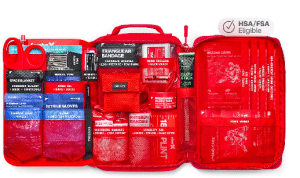
Best for: professional teams, extended deployments.
Why choose it: Higher-end materials, redundant systems (multiple ways to get water, start fire), and professional-grade trauma supplies.
Typical contents: Advanced hemostatic agents, bound trauma pack, multi-fuel stove, high-quality shelter, durable fixed-blade knife, water filter, navigation electronics pocket.
Tip: These kits can be heavy; consider task-specific specialization rather than an all-in-one solution if mobility matters.
Product Comparison Table
| Kit Name | Contents | Rating | Price | Best For |
|---|---|---|---|---|
| Survivor Filter Pro | Water filter, survival guide, storage bag | ⭐⭐⭐⭐⭐ | View on Amazon | Water purification |
| Titan Survival Tool Pack | Paracord, fire starter, multi-tool, compass | ⭐⭐⭐⭐ | View on Amazon | Outdoor enthusiasts |
| SOS Emergency Survival Kit | First aid kit, whistle, emergency blanket, water | ⭐⭐⭐⭐⭐ | View on Amazon | Family emergencies |
| J5 Tactical Ultimate Survival | First aid, fire tools, tactical knife | ⭐⭐⭐⭐⭐ | View on Amazon | Urban and wilderness scenarios |
| Rothco G.I. Type Survival Kit | Fishing kit, signaling mirror, safety pins | ⭐⭐⭐⭐ | View on Amazon | Budget-friendly |
What to look for when buying a military survival kit
-
Quality of materials: weatherproof pouch, sturdy zippers, reinforced seams.
-
Relevant contents: ensure it contains items suited to your environment (desert vs. alpine).
-
Modularity: ability to add or swap components.
-
Ease of access: clearly labeled compartments and quick-open features.
-
Brand reputation / reviews: prioritize brands with transparent lists and good customer feedback.
-
Expiration-sensitive items: check dates on medications, chemical warmers, and water treatment tablets.
-
Size vs. mission: weigh portability against the number of days you want to be self-sufficient.
FAQ: Best Military survival kits
Q: Are military survival kits legal to own?
Yes — owning a survival kit is legal in most places. Some kits include items regulated in specific jurisdictions (e.g., certain knives, flares, or pharmaceuticals). Check local laws for restricted items before purchasing.
Q: Can I build my own military-grade kit?
Absolutely. Building your own lets you tailor contents to your skills and environment. Start with a solid pouch, trauma items (tourniquet, gauze), a good knife, fire starter, water treatment, shelter, and signaling.
Q: How often should I check or replace items?
Inspect kits every 6–12 months. Replace perishable items (meds, sterile dressings, water tablets) per expiration dates. Re-cover worn packaging and test reusable tools.
Q: What’s the single most important item?
For immediate survival, a tourniquet and the ability to stop major bleeding rank very high. For prolonged survival, reliable water treatment and shelter are critical.
Q: Should I buy a surplus military kit or a commercial one?
Both have pros and cons. Surplus kits are field-tested and often economical but may need restocking. Commercial kits are tailored, modern, and often come with warranties. Choose based on budget and the need for modern trauma solutions.
Final thoughts
A high-quality military survival kit is an investment in safety. Whether you buy a ready-made tactical kit or assemble a custom pack, prioritize durable materials, essential trauma care, water solutions, and shelter. Prepare for the environments you frequent, rotate consumables regularly, and practice using your gear — a kit is only as useful as the skills of the person carrying it.
Choosing the right military survival kit can make all the difference in an emergency situation. With options tailored to various needs, it’s crucial to select a kit that matches your lifestyle and potential scenarios. Equip yourself with one of the best military survival kits, and gain peace of mind knowing you’re prepared to tackle whatever comes your way. Don’t wait—start your journey towards preparedness today!
Don’t forget to visit our homepage at survivingguide.com for more: survival guides, and many unique products and useful information.
See more:

